June 2026
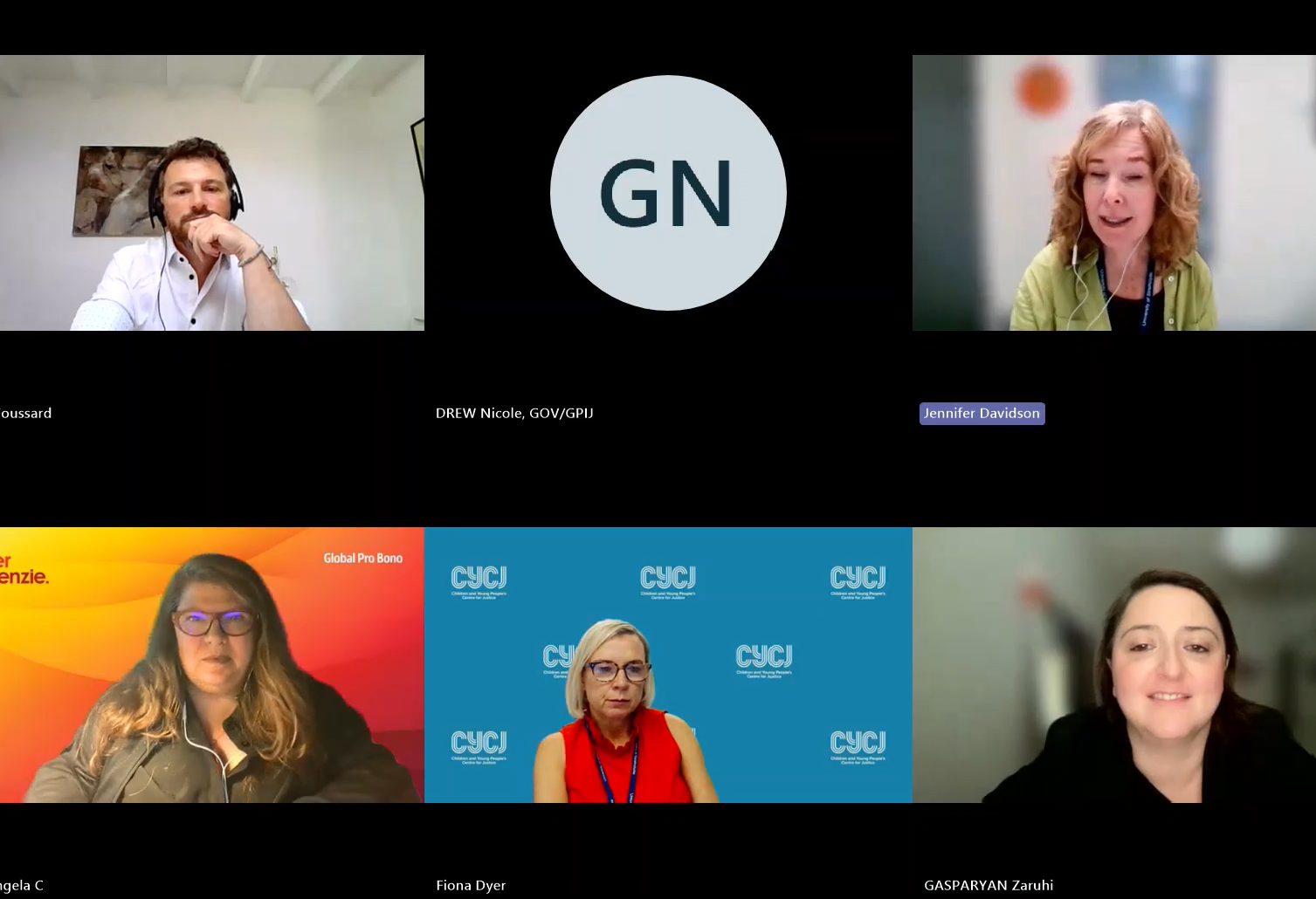
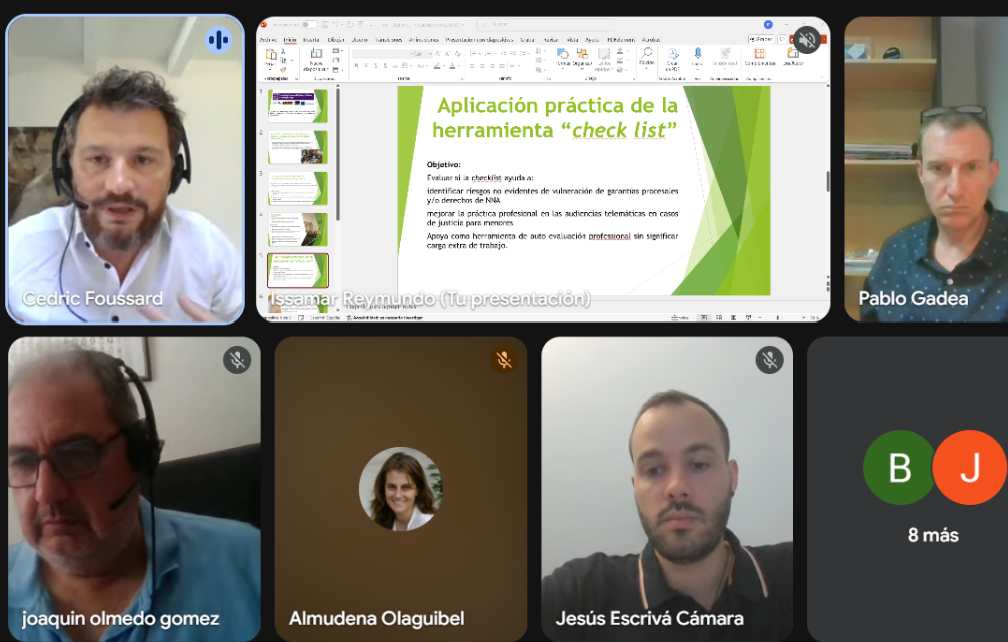
ICJA recently participated in a webinar organized by Fundación Tierra de hombres as part of the PPRO Child project, led by Penal Reform International, on the cognitive and procedural impact of remote hearings on children in criminal proceedings.
The session built on research that ICJA supports in this area, exploring a question that goes beyond the technology itself: before asking whether a remote hearing works, we need to ask whether the child sitting in front of that screen can genuinely understand what is happening and effectively exercise their rights.
The evidence is clear. Children already enter justice systems with a structural cognitive disadvantage compared to adults, and many present with neurodisabilities that directly affect memory, attention, and comprehension. The courtroom, even in person, is a demanding environment. The screen does not add to neutral ground. Research documents concrete and immediate effects: difficulty understanding proceedings, impossibility of confidential communication with legal counsel during the hearing, and a real gap between being present on screen and participating effectively in the process. Children themselves describe the experience plainly when consulted: many say it feels like “watching television,” without understanding what is being decided about their lives.
These are not imperfect outcomes. They represent a direct failure to meet the standards set by the Council of Europe Guidelines on Child-Friendly Justice and EU Directive 2016/800, which require effective understanding, genuine participation, confidential access to legal counsel, and adaptation to each child’s individual vulnerability.
ICJA’s Cédric Foussard and Mariana Pérez Cruz contributed to the discussion, reflecting ICJA’s ongoing engagement with research and advocacy on children’s rights in digital justice environments.