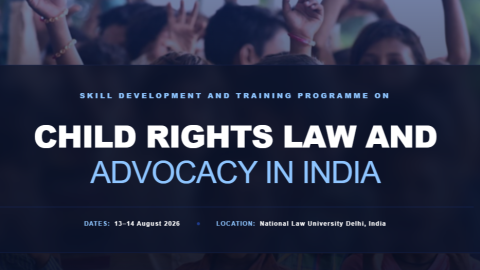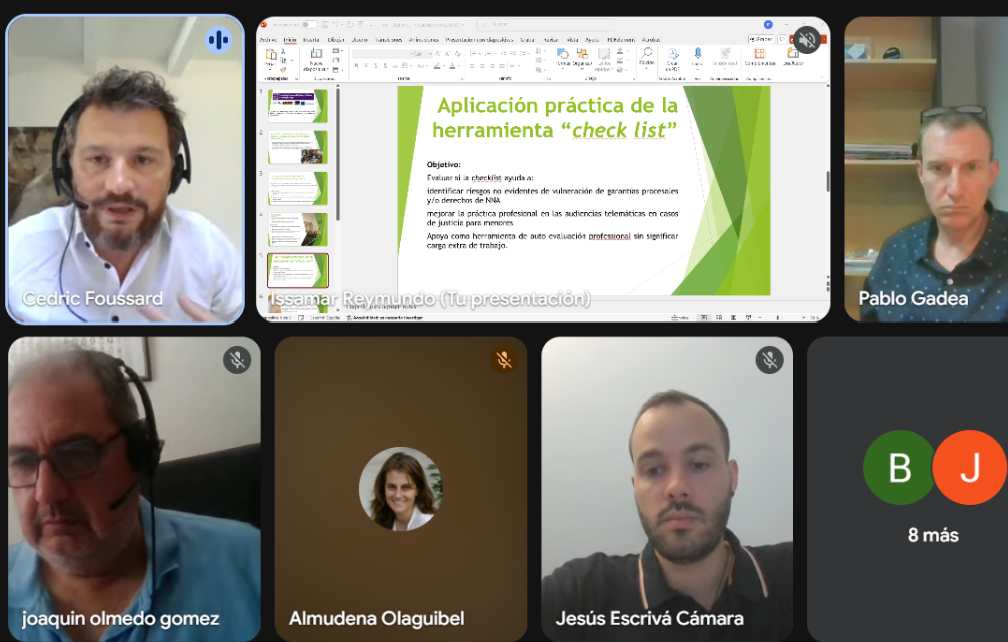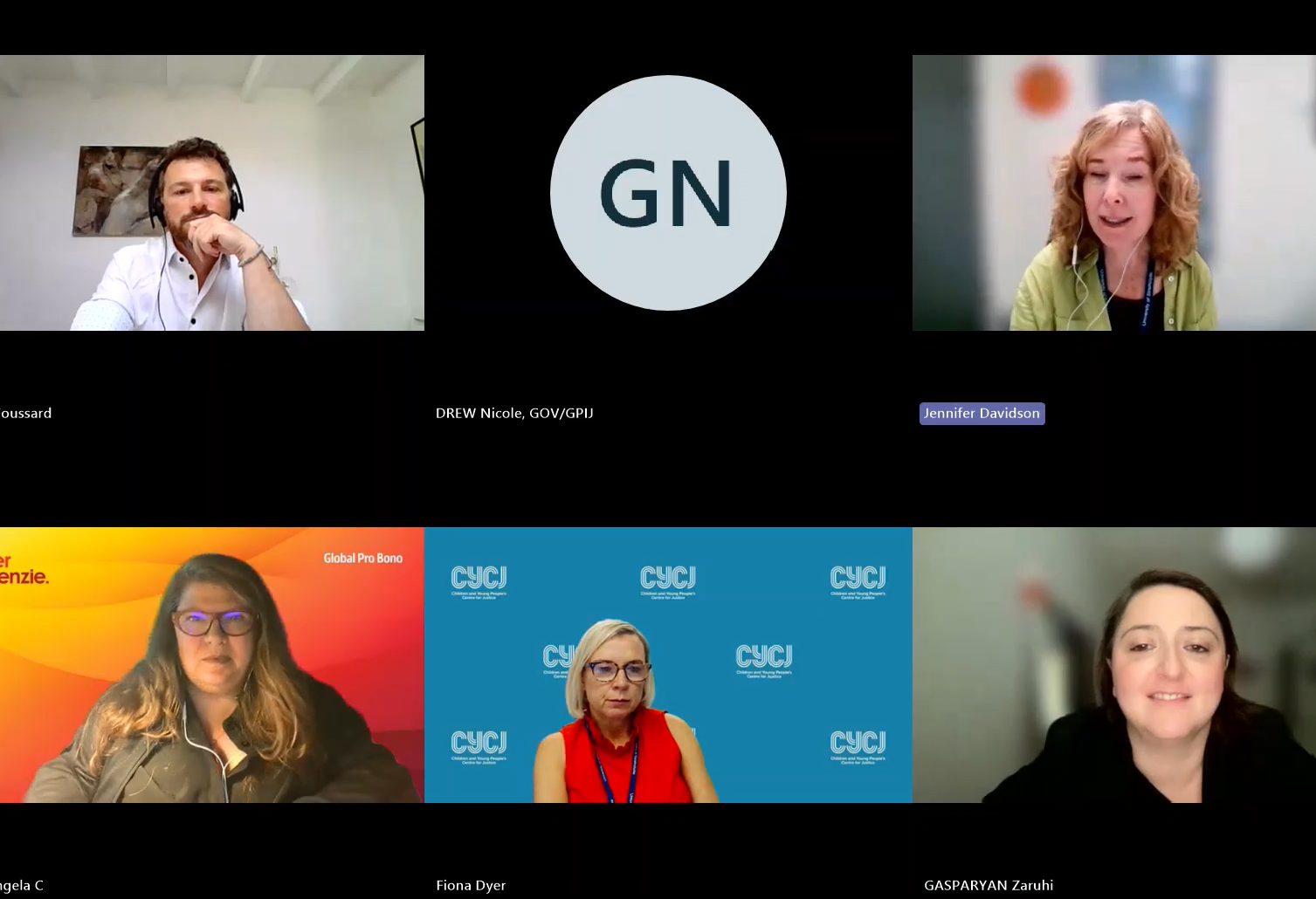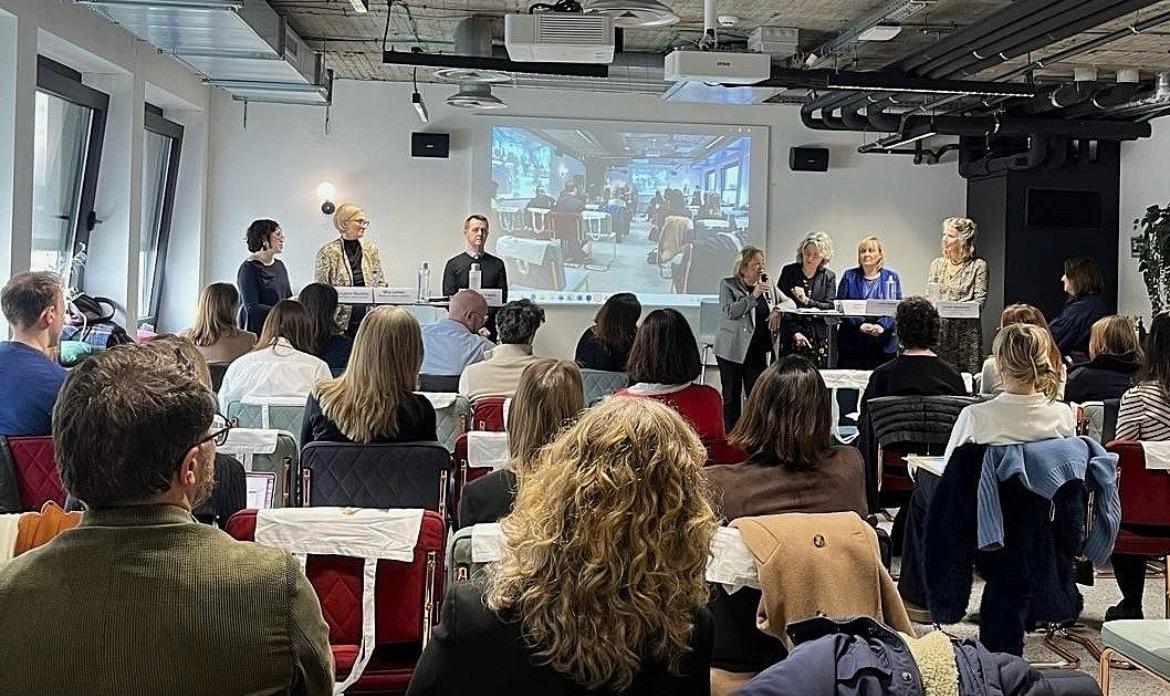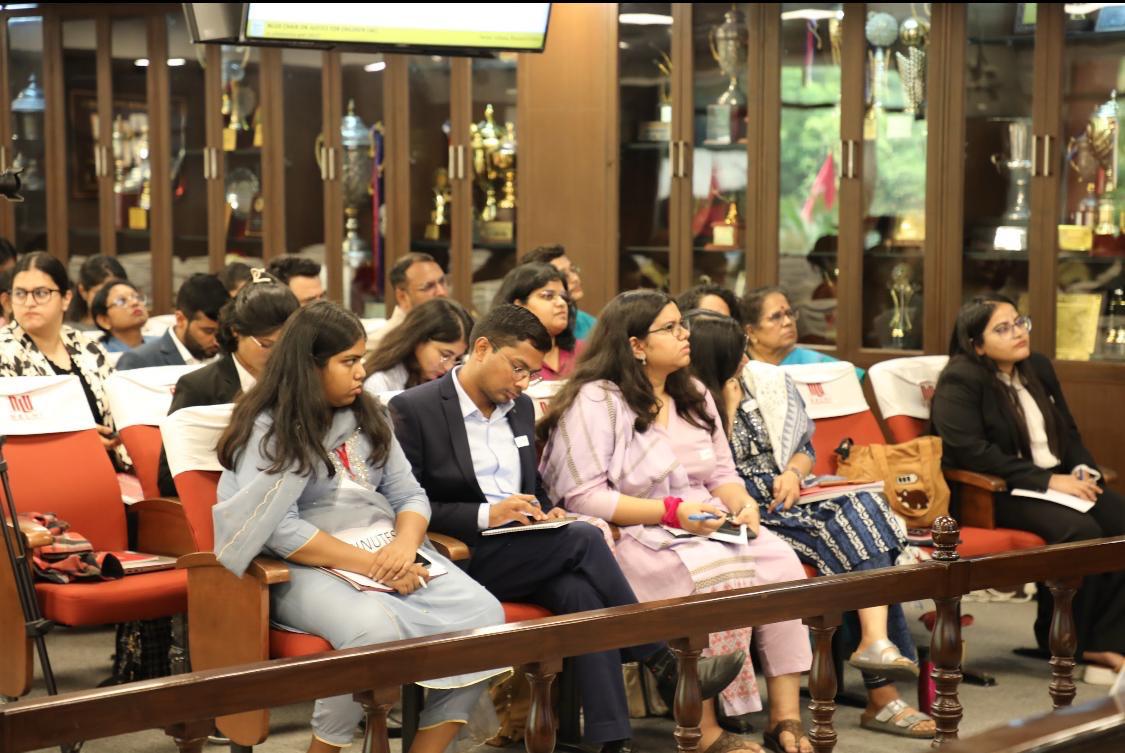
On 13 and 14 August 2026, the International Centre for Justice Alliance (ICJA), the NLUD Chair on Justice for Children in collaboration with UNICEF, and the Pro Bono Practice of Baker McKenzie co-organised a two-day Training Programme on Child Rights Law and Advocacy in India at National Law University Delhi. More than 60 participants from across India gathered for two days of substantive debate, comparative exchange, and hands-on skill-building.
The programme was officially recognised by National Law University Delhi and supported by one of the world’s leading law firms on a fully pro bono basis, reflecting a shared conviction that advancing child justice requires the active engagement of the legal profession at every level.
Day 1: Contested Questions, Live Debates
The first day opened with an inaugural session bringing together Prof. G.S. Bajpai, Vice Chancellor of NLU Delhi, Dr. Tasneem Deo, who leads the NLUD Chair on Justice for Children, Angela Vigil, Partner and Executive Director of the Pro Bono Practice at Baker McKenzie, and Cédric Foussard, Founder of ICJA.
Two discussion panels followed, tackling some of the most contested questions in Indian child justice law. The first examined the trial of children as adults under the Juvenile Justice Act, including the definitional difficulties around heinous offences, standards for assessing capacity to stand trial, and compliance with India’s constitutional safeguards and international obligations. The second panel turned to the criminalisation of consensual adolescent relationships under POCSO, exploring constitutional considerations of dignity and privacy, and the feasibility of protective exemption clauses in the Indian context.
Both debates went well beyond legal technicalities, touching on social realities and the gap between what the law intends and what children actually experience.
The afternoon was given over to the first two sessions of the Youth Experiential Learning Labs (YExLS), facilitated by Angela Vigil and Cédric Foussard. Participants were not observers but players, invited to step into the shoes of a young person navigating public systems while pursuing their own dreams and surviving their own traumas. The session was designed to make one thing impossible to ignore: the gap between what justice systems are designed to provide and how children actually live them.
Day 2: From Systemic Barriers to Practice
The second day tackled two of the most operationally complex questions in Indian child justice: why speedy trial provisions under POCSO and the JJ Act remain so difficult to implement in practice, and how the multiple agencies mandated to safeguard children actually coordinate, or fail to.
Discussants included Anant Kumar Asthana, lawyer at the Delhi High Court and Juvenile Justice Boards, Sneha Singh, child rights and criminal lawyer, Urvashi Tilak of Counsel to Secure Justice, Deeba Naseem, Chairperson of the Child Welfare Committee Delhi, Navneet Kumar, Legal cum Probation Officer from Bihar, and Shikha Pandey, Asia Program Director at The International Legal Foundation.
The skill-building sessions pushed further into practice: persuasive advocacy in child justice contexts, and the examination of children as clients and witnesses, co-facilitated by Christine Cuthbert, Partner at Baker McKenzie Hong Kong.
The programme closed with a keynote address by Hon’ble Mr. Justice (Retd.) Madan B. Lokur, former Judge of the Supreme Court of India.
Voices from the Room
One of the convictions behind this programme is that the law only makes sense when you see the child it is supposed to protect. At the end of two days of panels, simulations, and debates, participants were asked what stayed with them. Their answers, written on post-its and shared in plenary, captured something that no legal text can:
“Categorisation exists for the system, not for the child.”
“The purpose of law should not be to bring a child before it, but to bring the best out of them.”
“Too many children are still surviving in a system that is failing them.”
“Empathy is a game changer. Inculcating this value brings about a paradigm shift in the perspective that institutions, judges, and police officers have.”
Looking Ahead
This programme marks a continuation of ICJA’s commitment to connecting national justice diagnostics to a global knowledge framework, and to building the practical capacity of those working closest to children in contact with the law.
If your institution or university is interested in hosting a similar programme, we would love to hear from you. Please reach out at www.icjalliance.org.
Cedric Foussard
Chair of the International Centre for Justice Alliance
Visiting Professor in Children’s Justice at Manchester Metropolitan University
CYCJ Associate at Strathclyde University Tel: 0033(0)7 83 98 14 03
Recent publication: Violence Against Children in the Criminal Justice System : Global Perspectives on Prevention. Edited by Wendy O’Brien, Cedric Foussard