21-23 October, 2026
How can justice work as a real public service, one that people, families and businesses can actually find, understand and trust?
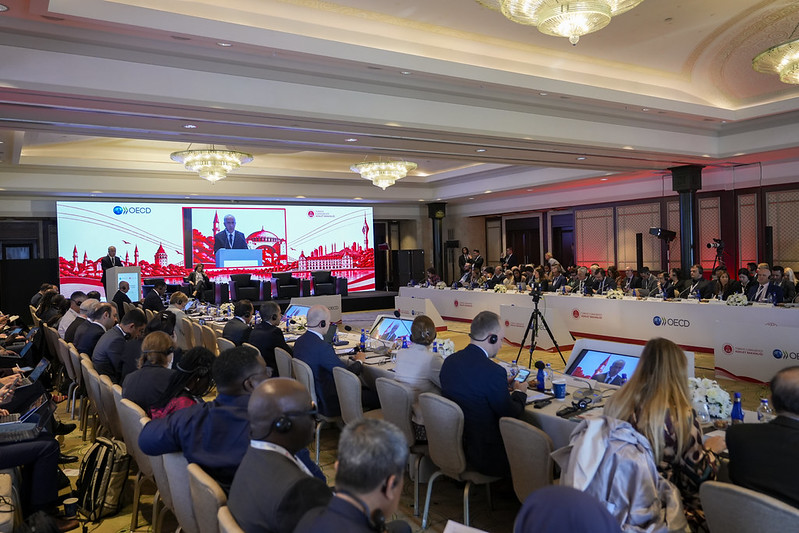
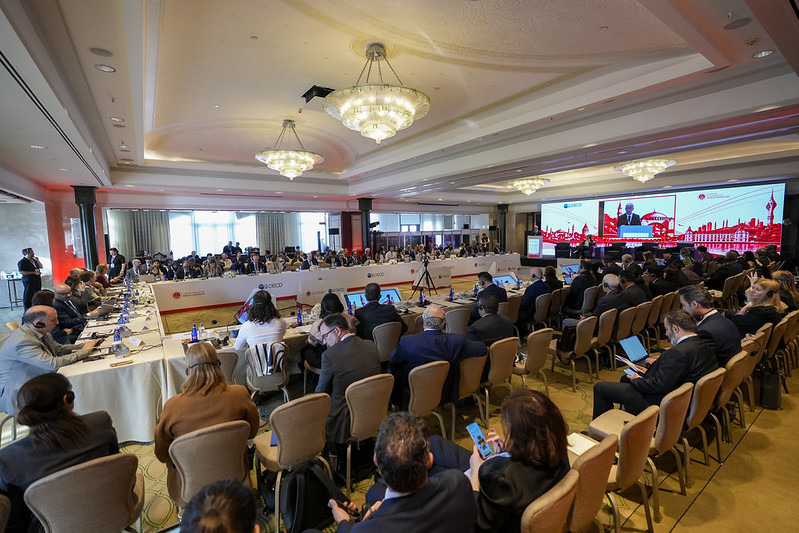
That was the question at the heart of the 2026 OECD Global Roundtable on Equal Access to Justice, held in Istanbul from 21 to 23 October 2026 and hosted by the Ministry of Justice of Türkiye. ICJA took part, represented by its President, Cédric Foussard.
The Roundtable is one of the main annual meeting points for justice leaders worldwide. Ministers, Chief Justices, senior officials, researchers and civil society came together to share data, evidence and experience on what makes justice systems more effective and people-centred, in line with the OECD Recommendation on Access to Justice and People-Centred Justice Systems. This year’s discussions looked at justice as a complete journey: how people recognise a legal problem, where they turn for help, how they move through resolution pathways, and whether the outcome is respected in practice. Digital tools and AI were high on the agenda, with a clear message that efficiency gains must come with real safeguards, transparency and accountability.
That message resonates strongly with ICJA work. Next November 2026, ICJA will presents the findings of our mapping of AI and facial recognition in the justice systems of 51 jurisdictions. It shows how often technology moves faster than the rules meant to frame it.
During the Ministerial Roundtable, Cédric Foussard also took part in a session on inclusive justice organised by the Inclusive Justice Thematic Track of the Justice Action Coalition, led by the German Federal Ministry for Economic Cooperation and Development (BMZ) and the Institute for Inspiring Children’s Futures at the University of Strathclyde. Moderated by Jennifer Davidson, the session brought together government, academia, civil society and philanthropy around a simple idea: equal access to justice does not come from treating everyone the same. It comes from designing services around the barriers people actually face, whether they are children, women, people with disabilities, rural communities or displaced populations.
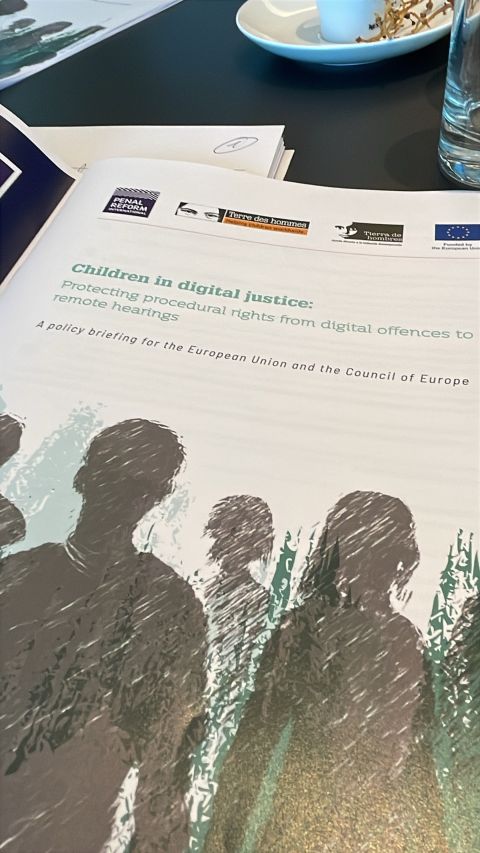
For ICJA, one point stood out. Children must be visible in broader justice reform, not treated as a separate or secondary issue. Governments need practical frameworks, evidence and partnerships to make child-centred justice a reality, and this is exactly where we want to contribute.
ICJA also followed the discussions of the annual meeting of the Justice Action Coalition, which focused on a shared roadmap towards the 2027 SDG Summit and on keeping people-centred justice at the heart of the next development agenda.
We thank the OECD and the Ministry of Justice of Türkiye for convening these discussions, and all the speakers and participants for their insights.
Watch the replay: 2026 OECD Global Roundtable on Equal Access to Justice