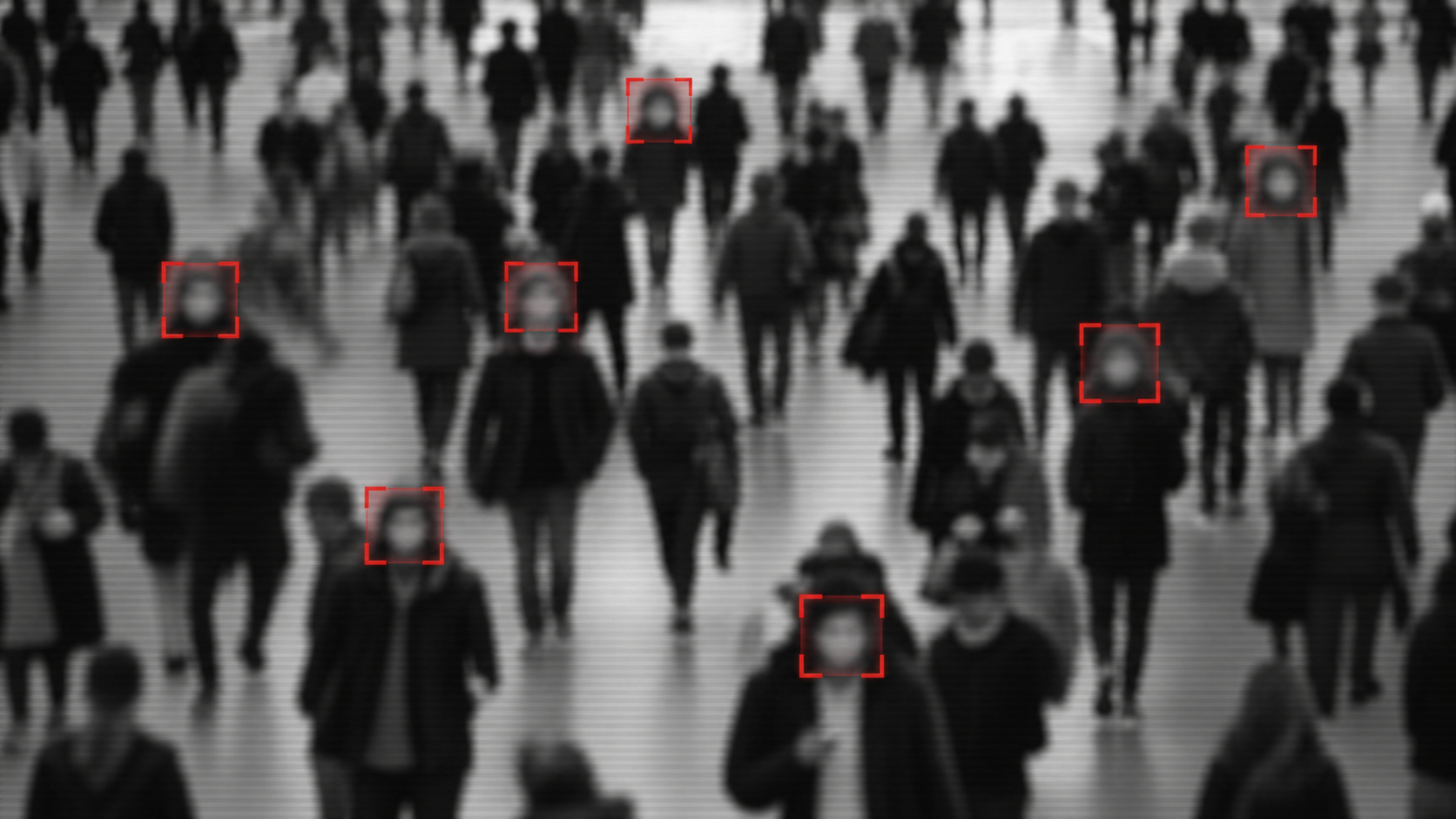


As part of a global review on Artificial Intelligence and Justice, with a specific focus on the use of facial recognition technologies by public authorities in justice-related contexts including law enforcement, this map aims to review on a country-by-country basis, how facial recognition technology is regulated in law and implemented in practice, including its authorization, restrictions, safeguards, and use within judicial proceedings.
The EU Artificial Intelligence Act (AI Act) is used here as a reference framework to structure the analysis, particularly regarding restrictions on remote biometric identification, distinctions between real-time and post-event use, and the conditions under which exceptions may apply. The purpose is not to assess compliance with EU law outside Europe, but to use the AI Act as a comparative benchmark to identify convergences, divergences, and regulatory gaps across jurisdictions. The review also seeks to identify discrepancies between legal frameworks and actual practice, with attention to due process, accountability, and the protection of fundamental rights, including where children are involved.
This is an evolving and constantly improving resource. We welcome suggestions to update or improve this resource. To offer a suggestion or update, please email us here.