19th November, 2026
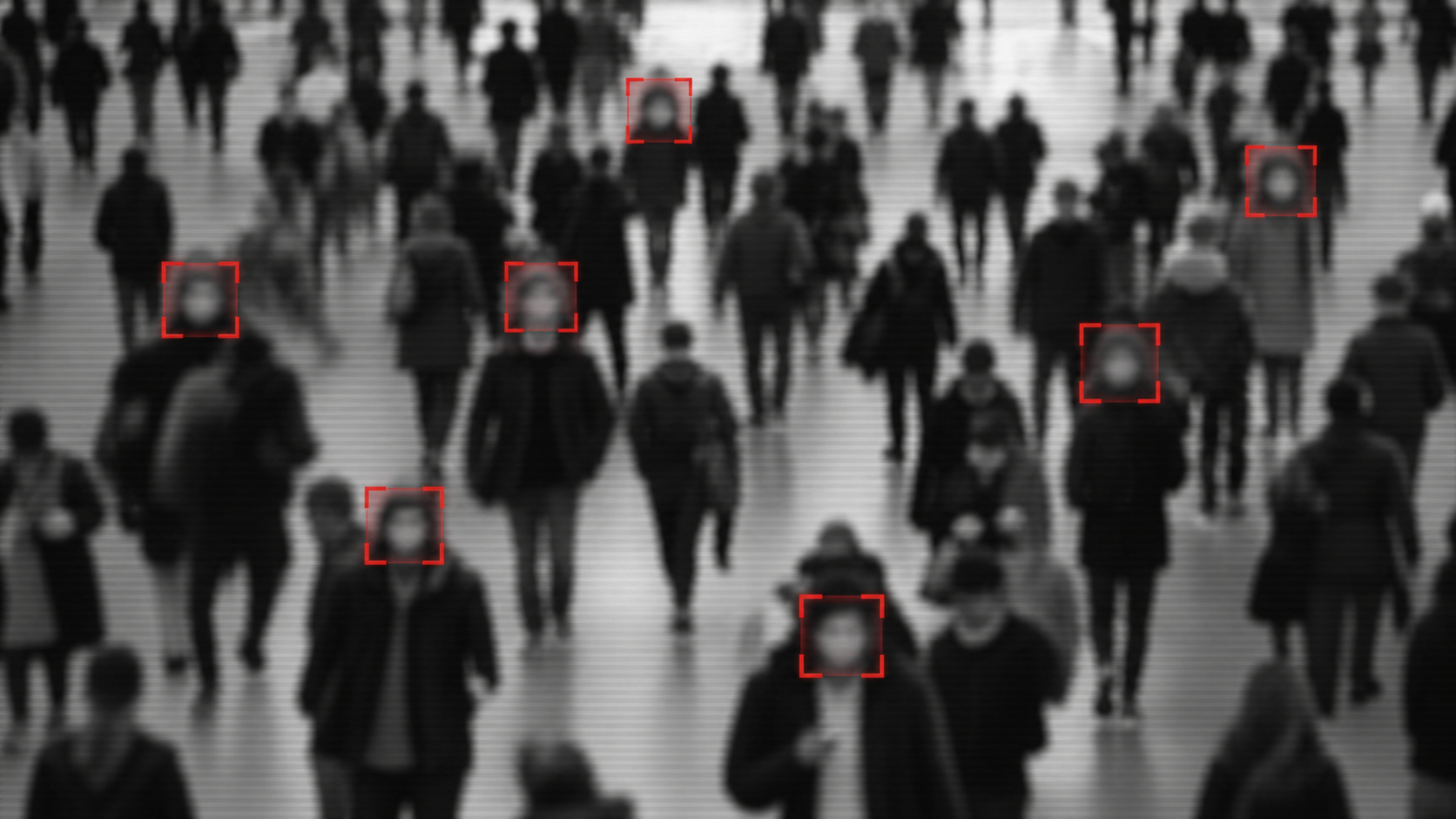
Facial recognition has quietly become part of how justice systems work. Police use it to identify suspects. Its results can end up in court as evidence. It is used at borders, in public spaces and in places where children are present. In most countries, the law has not caught up.
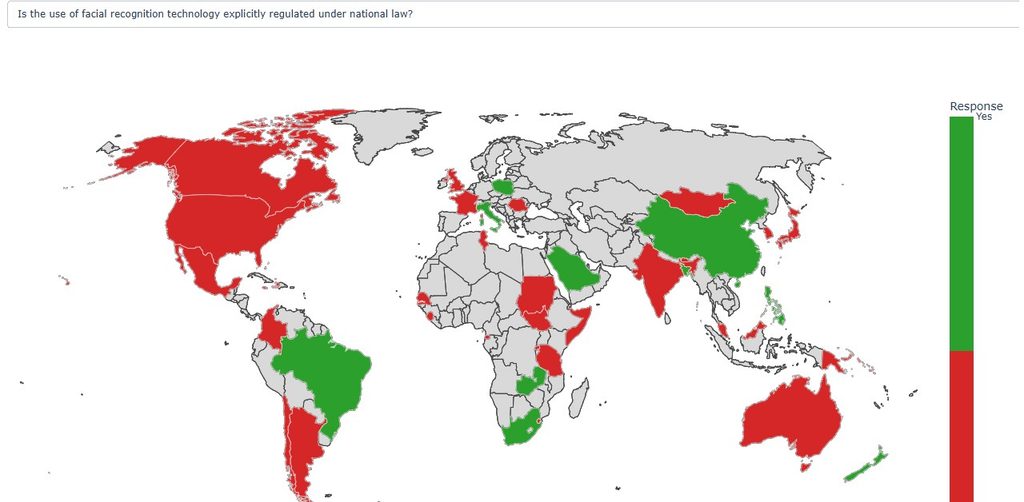
Over the past months, hundreds of pro bono volunteers mapped how 51 jurisdictions regulate and use the technology. The gap is striking. Only 11 of these jurisdictions have a law that specifically covers facial recognition, yet in almost every country where we could document practice, public authorities are already using it. In many of them, what the law says and what actually happens on the ground no longer match.
That raises real questions. Can a facial recognition match be challenged in court? Who checks how it is used, and whether the rules are followed? Do people even know when their face has been scanned? And what happens when the person is a child?
On Thursday 19 November 2026, we will discuss what the research reveals in an open dialogue between Angela Vigil, Baker McKenzie Pro Bono Practice, Nessa Lynch, Professor in Law, Innovation and Technology, University College Cork, Ireland and Cédric Foussard, President, International Centre for Justice Alliance (ICJAlliance); followed by a Q&A with the room.
The session is open to anyone working on these issues: lawyers, judges, policymakers, regulators, academics, NGOs, technology practitioners, and anyone who cares about privacy, public safety and the rule of law.
One hour, in English, held twice so everyone can join:
– 9:00 to 10:00 CET (3:00 EST / 16:00 HKT) Registration
– 18:00 to 19:00 CET (12:00 EST / 9:00 PST) Registration
CLE credit (1.0 hour) is available for certain US states.
More info: INVITATION: AI and facial recognition in the justice systems of the world | 19 November 2026