10th November, 2026
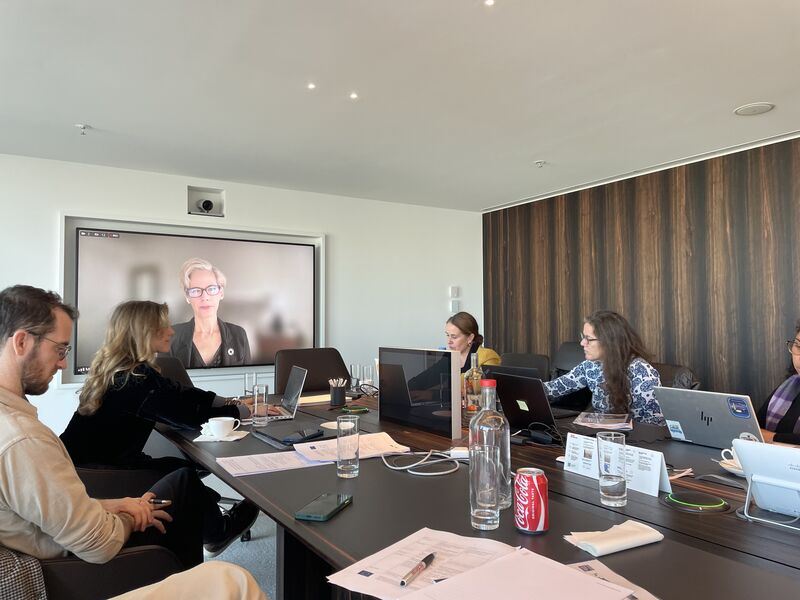
The International Centre for Justice Alliance (ICJAlliance) was proud to be represented at the expert dialogue in Brussels by its President, Cédric Foussard, and its Strategic Advisor, Mariana Pérez Cruz, for the launch of a policy briefing co-authored for Penal Reform International.
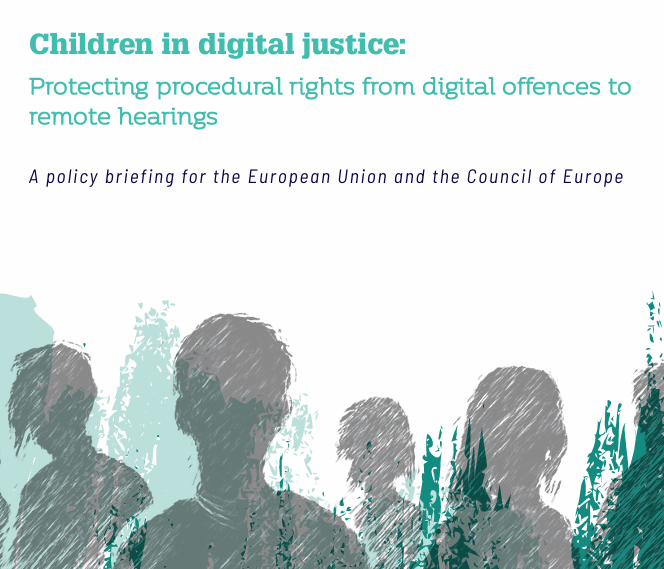
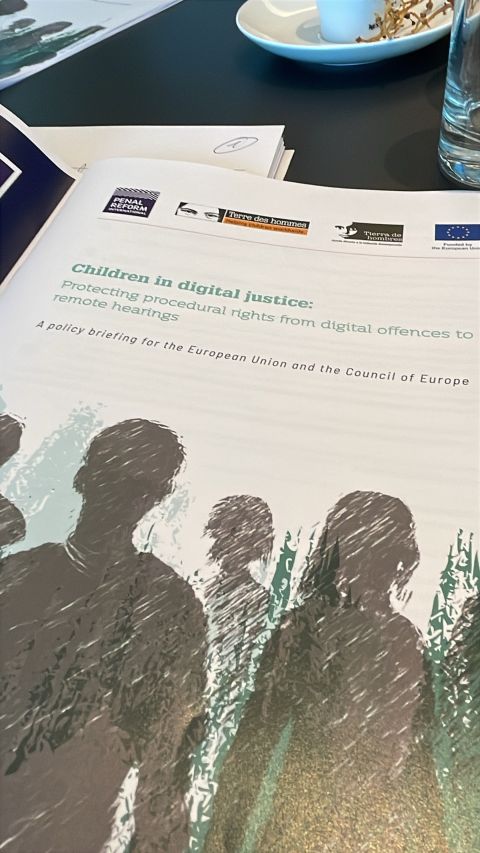
Children in Digital Justice: Protecting Procedural Rights from Digital Offences to Remote Hearings addresses two areas where the EU legal framework is failing children in conflict with the law.
The first is digitalised proceedings. Courts across Europe moved online during COVID and stayed there in different jurisdictions. The EU Directive 2016/800 (the main EU binding framework protecting children in criminal proceedings) was written for courtrooms. It does not mention what children’s rights mean when proceedings happen on a screen. Research in Ireland, Romania, Spain and Ukraine showed children vulnerabilities and difficulties to participate effectively, cut off from private consultation with their lawyers, and experiencing their own hearings as spectators.
The second is digital offending committed by children themselves. A decade of EU policy on online harm was built around protecting child victims and prosecuting adult perpetrators. Children who commit offences online (often involving peers) are entitled to the same child justice protections as any child in conflict with the law. That principle is not always being consistently applied, and the risk of over-criminalisation is sometimes real.
The briefing sets out seven recommendations:
To the European Commission
1. Update Directive 2016/800 to establish binding standards for digitalised proceedings involving children
2. Establish child-specific requirements for AI systems used in child justice proceedings
3. Close the definitional gap on AI-generated harmful content in the revision of Directive 2011/93/EU on combating child sexual abuse
4. Promote multi-agency safeguarding structures for digital harm cases involving children
5. Extend data collection under Article 21 of Directive 2016/800 to cover digitalised proceedings
To the Council of Europe
6. Issue interpretive guidance on the child-friendly justice guidelines addressing digital proceedings
7. Support consistent national implementation of the June 2026 Lanzarote/Budapest joint statement on AI-generated content
The full briefing is available here: Policy briefing for the European Union and Council of Europe: Children in digital justice: Protecting procedural rights from digital offences to remote hearings